Hello everyone!
Apologies on a late blog post! It has been my goal to post one every week, but with finals and holiday preparation, this inevitably got lost in the shuffle. Now I am happily relaxing at home with what feels like an infinite amount of time for my creative pursuits! (:
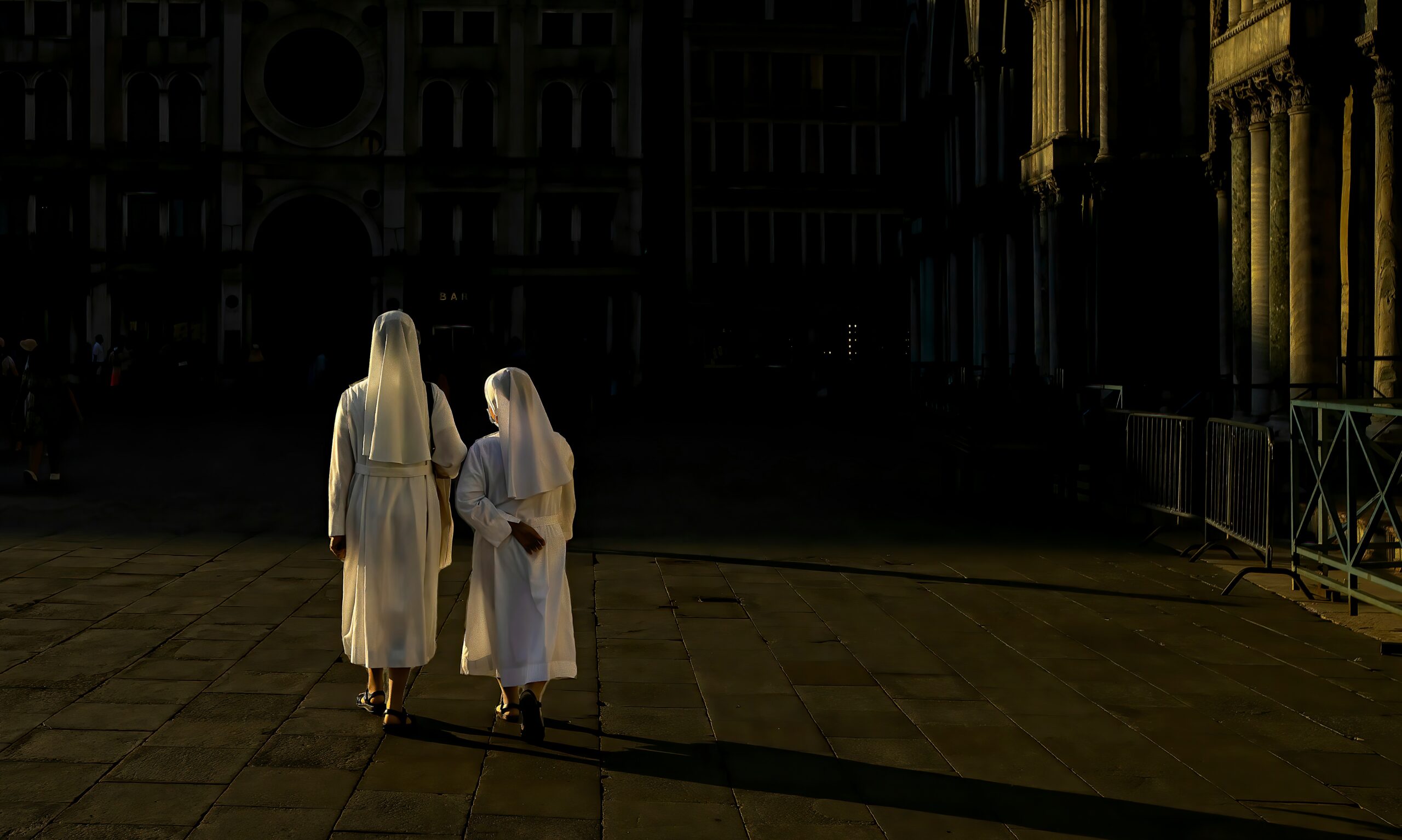
This week I would like to present my first round of tips for women who are discerning their vocation-particularly those considering religious life. I spent a couple of years “discerning” and made about every mistake possible. As you might imagine, I have a LOT of thoughts on what I should have done versus what I did, and I want to share some of them with you all today! I will be dividing these tips-and my own discernment story-into a series of posts. Stay tuned for more in the weeks to come.
*Before we begin: these are simply words of advice based on my own experience and the experiences of those around me. I am not an expert in this by any means, so please read the following in light of this.*

#1. Be financially stable or capable of financial stability
A material consideration like this may seem rather shallow to open up with, but I think that practical questions like this are actually the best place to start. Why? They make it extremely easy to rule out whether or not you should be discerning in the first place. When you enter an order, there is no guarantee that you will remain there. Even women who are convinced that sisterhood is for them, can end up leaving after several years. As a result, it is necessary that you have a means of supporting yourself in case you do not have a calling. How this looks for you may be different than how it looks for someone else. People with very supportive, well-off parents may be able to enter without professional credentials or a college education. But, for most, I think it is helpful to have some experience and training in a profession that you can fall back on. In my case, I did not have a career plan in place. Of course, God has provided and I am not destitute by any means, but if I did it again, I would have focused more on establishing stability in my life first.

#2. Do not push yourself into discernment
If thinking about discerning religious life feels akin to grating your nails against a chalkboard, DO NOT push yourself into discernment. Please! Explore and question why you feel that way but be gentle with yourself. Respect how your mind and body are reacting. One of the biggest mistakes I made throughout the discernment process was discounting my emotions. To make matters worse, I even assumed that my negative emotions were a SIGN that I am in fact called to religious life. This could not have been further from the truth. There is a huge difference between feeling called to do something that feels challenging or somewhat intimidating, and complete dread. The former is common and can be present when a person is choosing any good life path. The latter is far more sinister and often indicates the presence of misconceptions, false beliefs, and traumas that need to be gently sifted through and healed. If you feel intense anxiety around religious life or marriage, for that matter, I recommend that you acknowledge these feelings with neutrality and simply focus on excavating their root cause. Fear SHOULD NOT be your over-arching emotion in discernment. Anxiety clouds our judgement, so it is dangerous to head into discernment with a disposition of dread and fear.
Secondly, granted that you have a prayer life and are trying to do God’s Will in your life, trust that God will put things on your heart if He wants you to move in a particular direction. Perhaps this goes against popular opinion, but unless God has placed the question of a calling on your heart and you really think religious life could be a possibility for you, do not feel pressured to discern. Making visits to convents costs you and the sisters money and time. So, do not go visiting if you do not feel that God really wants you there.

3. Adequate age, maturity, and self-knowledge
In all honesty, I do not think that tweens and teens are sufficiently equipped to bear the seriousness of discernment or to understand the realities of a vocation. I do not think that discernment should even be a topic of discussion until a girl is sixteen, and even then, it should be made clear that it is a future decision. At thirteen, the typical child does not even know what it would be like to work a job let alone what life in a convent or marriage would require. Prematurely exposing tweens and teens to serious life questions like this can actually be harmful. It falsely assumes that they have the experience and maturity to consider such an immense decision, when in fact, they do not even know who they are. Deep self-knowledge must precede any question of what life path one should choose. I say this because, in my own experience, the religious communities my family frequented and some of my school literature heavily focused on vocations and vocational discernment. Well-meaning, but unfit literature and sermons thrusted the concept of vocational discernment into my consciousness before I was ready to think about it. At only twelve, I was already considering whether I should become a nun or be married, when I really just needed to grow. As a result, if you are still below the age of eighteen, I encourage you to joyfully focus on gaining more insight about yourself and about life for now.
These considerations are the first three that should be explored before even entering into a period of vocational discernment. If you have pondered each of these and still think that discernment is for you, we’ll be discussing three more important reflections in the next blog post. In the meantime, I wish you all the very best and blessed Christmas!
XO, Ella